Acoustic Listening For Pressurized Lines
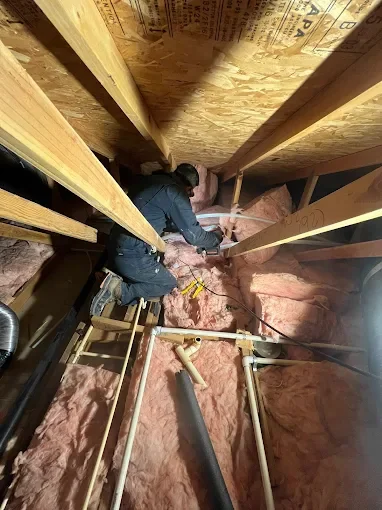
Sensitive mic picks up pressurized supply leaks behind walls and through slabs. You can hear the leak through the headphones with the tech.
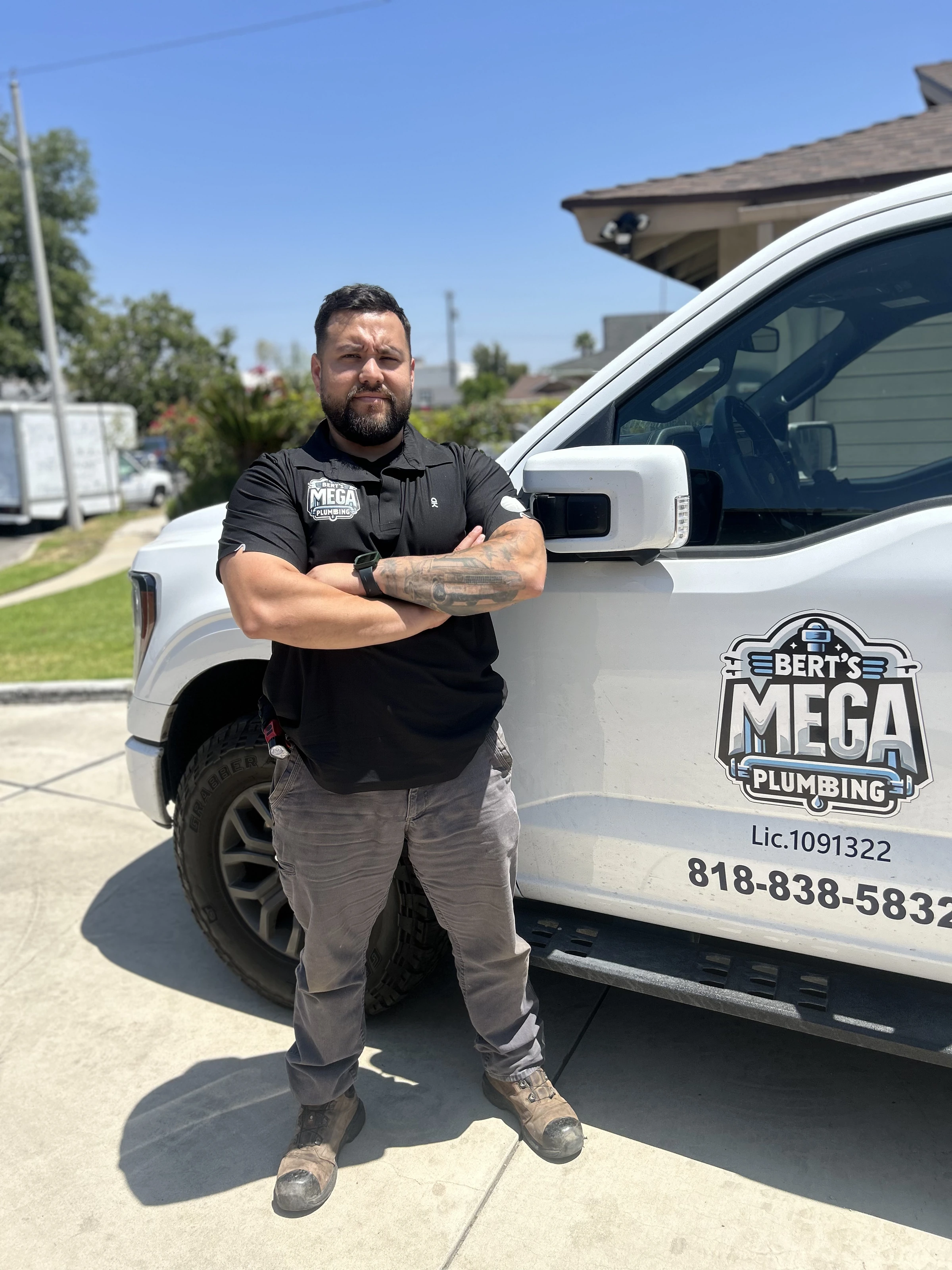
Water bill spiked? Floor warm in one spot? Bert's finds the leak before we open a single wall.
TRUSTED BY HOMES & BUSINESSES ACROSS THE SFV
Hidden leaks are sneaky. The water bill goes up. A patch of floor stays warm. Drywall starts staining for no reason. Most SFV plumbers reach for a sledgehammer, we reach for the acoustic mic, the thermal camera, and the pressure gauge first. Find it. Then fix it. Not the other way around.
Detection pricing scales with the search area and the symptom set. One known wet spot is a quick job. A whole-house pressure mystery with multiple symptoms takes longer and uses more tools. We give you a flat-rate quote on arrival before we run a single test.
Call 818-838-5832. Same-day SFV detection.
Detection first vs. cut-and-look. Some plumbers skip detection and start opening drywall where they think the leak is. Cheaper for five minutes. A disaster if they’re wrong. Detection costs less than two unnecessary drywall patches. Always do detection first on hidden leaks.
Stop Guessing. Find the Leak. Same-day detection across the SFV. Quote before we start. Call 818-838-5832.
Sensitive mic picks up pressurized supply leaks behind walls and through slabs. You can hear the leak through the headphones with the tech.
Thermal camera spots heat signatures from hot-water leaks under tile, hardwood, and slab. Finds the warm spot before drywall stains it.
Isolate the system, pressurize, and watch the gauge. Confirms a leak exists, narrows the section, and rules out the lines that are sound.
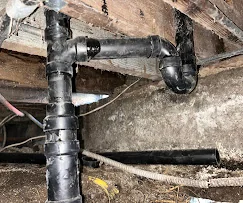
Non-pressurized lines and sewer leaks don't make noise. Tracer gas finds them where acoustic and thermal can't. The tool of last resort that actually works.
You get a written report with the leak location marked plus a quote for the repair. Insurance adjusters accept it and you've got documentation either way.
Tech walks the home with you and asks specific questions: where have you seen the wet spot, when did the water bill spike, can you hear running water with everything off, is the floor warm in any one area. We look at suspected zones together (under sinks, around water heater, around the slab perimeter, in the yard near the meter). 10 to 15 minutes. You stay with the tech for the walk-through because your observations narrow the search significantly. After that you can step away.
Tech shuts off the main, pressurizes the system with a gauge, and watches for pressure decay. Decay confirms a leak somewhere on the supply side. Then we isolate by zone (hot vs cold, upstairs vs downstairs, slab vs above-grade) so we can rule out half the house before the detection tools come out. 20 to 30 minutes. Water is off during this test, expect no service for that window. You can do other things in the home, just don't open a tap until we say.
Acoustic mic listens for the hiss of water escaping a pressurized line, often through walls, slabs, and tile. Thermal camera spots heat signatures from hot-water leaks under floors. Tracer gas (helium or hydrogen mix) gets injected into non-pressurized or sewer lines that don't make sound, then a sniffer finds where it surfaces. We narrow the leak from 'somewhere in the house' to a 12-inch section of pipe. 30 to 90 minutes depending on complexity. Stay quiet in the home during acoustic listening. No music, no laundry running, no flushing toilets.
You see the spot, marked on the floor or wall with tape. You can put on the headphones and hear the leak yourself if you want. Tech writes up a findings report with the leak location, suspected cause (failed fitting, pinhole in copper, slab abrasion, root intrusion on sewer), and a flat-rate quote for the repair. 15 to 20 minutes for the conversation. You ask questions, we answer. The report is yours either way, useful for your insurance adjuster if there's a claim. You approve the repair on the spot, schedule it for later, or take the report to a second opinion. No pressure.
Call now for fast, upfront-priced service across the San Fernando Valley and Los Angeles.
Common signs: water bill spike with no usage change, warm spots on tile or hardwood floors, sound of running water when nothing's on, low water pressure, mildew smell, or unexplained drywall staining. Any of those, call for detection.
Almost never during detection. The whole point of acoustic, thermal, and pressure tools is to pinpoint the leak before opening anything. Drywall only opens during the repair, and only at the marked spot.
Most jobs: 30 to 90 minutes on-site. Bigger homes or harder leaks (slab, sewer, intermittent) can take longer. We tell you the time estimate before we start.
Often yes. Homeowner's insurance frequently covers leak detection when there's evidence of water damage. We can write the invoice in a format that supports your claim. Talk to your adjuster first.
Bad idea. Hidden leaks rot subfloor, warp hardwood, grow mold inside walls, and crack slab foundations. A detection job today beats a mold remediation job in six months. Don't wait.